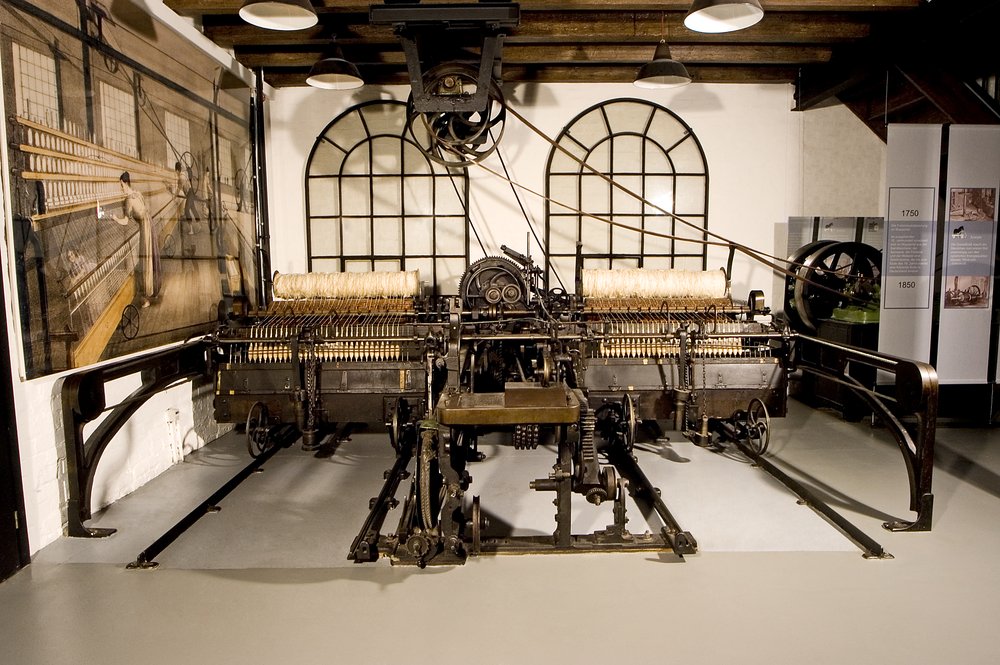
As a museum of industrial and social history, the Museum of Early Industrialisation shows the early development of industry in Wuppertal with its facets of technical, social, economic and mental history. Founded in 1983, it was one of the first social history museums in Germany to deal with the history of industrialisation. The museum visitor gets to know Wuppertal as an early industrial pioneer region, as a laboratory of modernity.
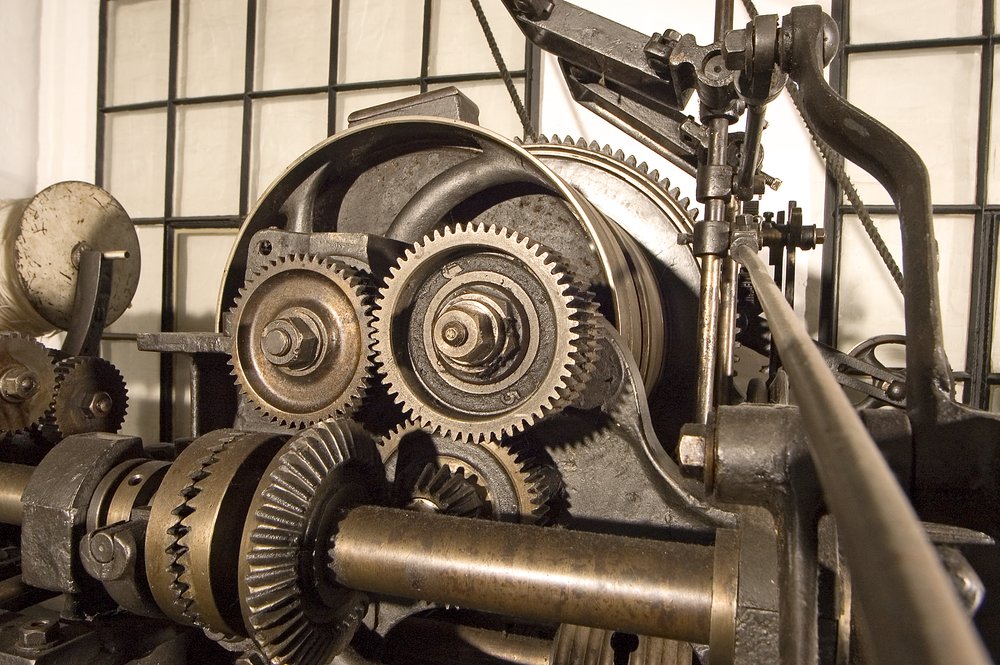
Numerous original devices and machines as well as audiovisual and multimedia installations make industrialisation in Wuppertal comprehensible and tangible. Some historical machines are kept in working order and demonstrated to visitors to make their functioning comprehensible and understandable. In this way, visitors get a fascinating impression of the historical working methods and can become active themselves.
A great deal of space is devoted to the presentation of population development, immigration, settlement forms and social-religious structures. The life cultures of the middle classes, craftsmen and industrial workers are vividly illustrated with numerous original exhibits. The changes in communication and transport (railways, post, customs), global interdependencies and the impact of production on the environment (water as a resource) in the wake of industrialisation round off the view of Wuppertal as a pioneering industrial region.
Opening hours
The Museum of Early Industrialisation is closed due to renovation work and the installation of a new permanent exhibition. The reopening of the museum is planned for mid-2025. You can find more information on the modernisation and construction measures of the Museum Industriekultur Wuppertal under the menu item Modernisation.
Gefördert von der Beauftragten der Bundesregierung für Kultur und Medien aufgrund eines Beschlusses des Deutschen Bundestages.

Gefördert vom